Why Healthcare Providers Must Prioritize Patient Health Literacy in 2025
As healthcare becomes increasingly complex, the gap between medical knowledge and patient understanding continues to widen. With an aging population and rising healthcare costs, improving health literacy isn’t just beneficial—it’s essential for better patient outcomes, reduced readmissions, and more efficient care delivery.
When patients truly understand their health conditions and treatment options, they’re more likely to follow care plans, attend follow-up appointments, and engage in preventive care. This creates a ripple effect: healthier individuals lead to healthier families and communities, while reducing the burden on our healthcare system.
But here’s the challenge: healthcare providers are already stretched thin. You’ve dedicated years to learning how to care for patients and building a patient-centered practice. The last thing you need is another item on your already-full plate.
That’s why this guide focuses on practical, implementable strategies to improve patient understanding without adding excessive workload. We’ll explore how to empower your team, streamline communication about procedures, protect and share patient data effectively, and assess health literacy in your practice.

Image Source: Pixabay
Training Your Team to Be Patient Education Champions
Why Every Team Member Matters
From your front desk staff to medical assistants, lab technicians, and clinical practitioners, every person your patients encounter shapes their healthcare experience and understanding. When your entire team can clearly explain their roles and answer basic questions, patients feel more confident and engaged in their care.
Consider this: a patient arrives for their appointment already anxious about their condition. They’re greeted by unfamiliar faces performing various tasks. Without context, this can feel impersonal and confusing. But when each team member takes a moment to introduce themselves and explain their role, patients feel more comfortable and informed.
Practical Team Communication Strategies
Introduce roles proactively: Train your staff to briefly explain their position when meeting patients. For example, “Hi, I’m Sarah, a medical assistant. I’ll be taking your vitals today and preparing you for your appointment with Dr. Johnson.”
Create quick reference guides: Develop simple one-page handouts that explain what different healthcare professionals do. Patients can review these in the waiting room or take them home for reference.
Implement communication training: Regular training sessions should cover:
- Avoiding medical jargon and using plain language
- Active listening techniques
- Demonstrating genuine interest in patient questions
- Taking time to explain forms and procedures
- Using teach-back methods to confirm understanding
- Incorporating visual aids and demonstrations
Develop multilingual and low-literacy materials: Create educational resources that serve diverse populations, including those with limited English proficiency or lower health literacy levels.
According to the National Assessment of Adult Literacy, only 12% of adults have proficient health literacy. This means the vast majority of your patients struggle to understand health information and navigate the healthcare system effectively.
Building a Culture of Patient Education
Make patient education part of your practice culture, not an afterthought. Consider implementing:
- Regular team huddles to discuss challenging patient communication scenarios
- Recognition programs for staff members who excel at patient education
- Patient feedback systems specifically about communication clarity
- Continuous education on new treatments and how to explain them simply

Image Source: Pixabay
Demystifying Medical Procedures for Better Patient Outcomes
The Importance of Procedural Transparency
Nobody wants to undergo a medical procedure without understanding what’s happening, why it’s necessary, and what to expect afterward. Yet procedural anxiety remains one of the top concerns patients report. Clear, compassionate communication about procedures can significantly reduce anxiety, improve compliance, and lead to better outcomes.
Before the Procedure: Setting Expectations
When recommending a procedure, patients need to understand:
- Why it’s necessary: Connect the procedure to their symptoms or diagnosis in clear terms
- What will happen: Describe the procedure step-by-step without overwhelming medical detail
- Timeline and recovery: Explain how long it takes and what recovery looks like
- Potential risks and benefits: Present balanced information to support informed consent
- Alternatives: Discuss other treatment options when applicable
Use analogies that relate to everyday experiences. For instance, explaining an endoscopy as “using a tiny camera on a flexible tube to look inside your digestive system, similar to how a plumber uses a camera to inspect pipes” makes the procedure less intimidating.
Addressing Misinformation Head-On
The spread of health misinformation poses a serious challenge to patient care. From vaccine hesitancy to unproven alternative treatments, patients increasingly arrive with misconceptions that can impact their health decisions.
Healthcare providers must proactively address common misinformation in their specialty area. This doesn’t mean dismissing patient concerns—it means:
- Asking what patients have heard or read about their condition or treatment
- Validating their desire to be informed while gently correcting misinformation
- Providing credible sources for additional information
- Explaining why certain treatments are recommended based on evidence
Emphasizing Safety and Cleanliness
Patient perception of cleanliness significantly impacts their overall care experience and trust in your practice. Research consistently shows that patients worry about hospital-acquired infections and want transparency about infection prevention measures.
Take time to explain:
- Your sterilization procedures for medical equipment
- Hand hygiene protocols your staff follows
- How you maintain a clean environment
- What patients can do to protect themselves
This transparency builds trust and demonstrates your commitment to patient safety. Consider posting visible reminders of your infection prevention protocols and making this information available on your website.

Image Source: Pixabay
Protecting Patient Data in an Increasingly Digital World
The Growing Cybersecurity Threat
Healthcare data breaches have become alarmingly common. In 2024 alone, hundreds of healthcare data breaches exposed millions of patient records. These breaches don’t just compromise sensitive information—they erode patient trust and can cost healthcare organizations millions in remediation, legal fees, and reputational damage.
According to recent reports, the average cost of a healthcare data breach now exceeds $10 million per incident—a figure that has grown substantially since 2014. The consequences include:
- Class-action lawsuits from affected patients
- Significant business disruptions
- Identity theft repair costs
- Investigation and remediation expenses
- Lost business and damaged reputation
- Regulatory fines and penalties
Essential Cybersecurity Measures
Protecting patient data requires a multi-layered approach:
Regular security assessments: Conduct quarterly IT system audits to identify vulnerabilities before hackers exploit them.
Staff training: Ensure all employees understand HIPAA requirements, recognize phishing attempts, and follow security protocols. Human error remains one of the leading causes of data breaches.
Technical safeguards:
- Use encryption for all electronically stored patient data
- Implement role-based access controls so only necessary personnel can view sensitive information
- Enable multi-factor authentication for all system access
- Keep all software and systems updated with the latest security patches
- Minimize unnecessary applications on medical devices
Develop a breach response plan: Have legal support and an incident response plan ready before a breach occurs. Include procedures for:
- Identifying and containing the breach
- Notifying affected patients promptly
- Working with regulatory authorities
- Providing identity protection services to affected individuals
Data backup protocols: Regularly back up all patient data to secure, separate systems to ensure recovery capability after a breach or ransomware attack.
BYOD policies: Establish clear policies for employees who use personal devices for work, including required security measures and acceptable use guidelines.
Communicating Security to Patients
Patients deserve to know how you’re protecting their information. Consider:
- Adding a security and privacy page to your website
- Providing written information about your data protection measures
- Training front desk staff to answer common security questions
- Being transparent about your data storage and access policies
Learn more about healthcare cybersecurity best practices from the Department of Health and Human Services.
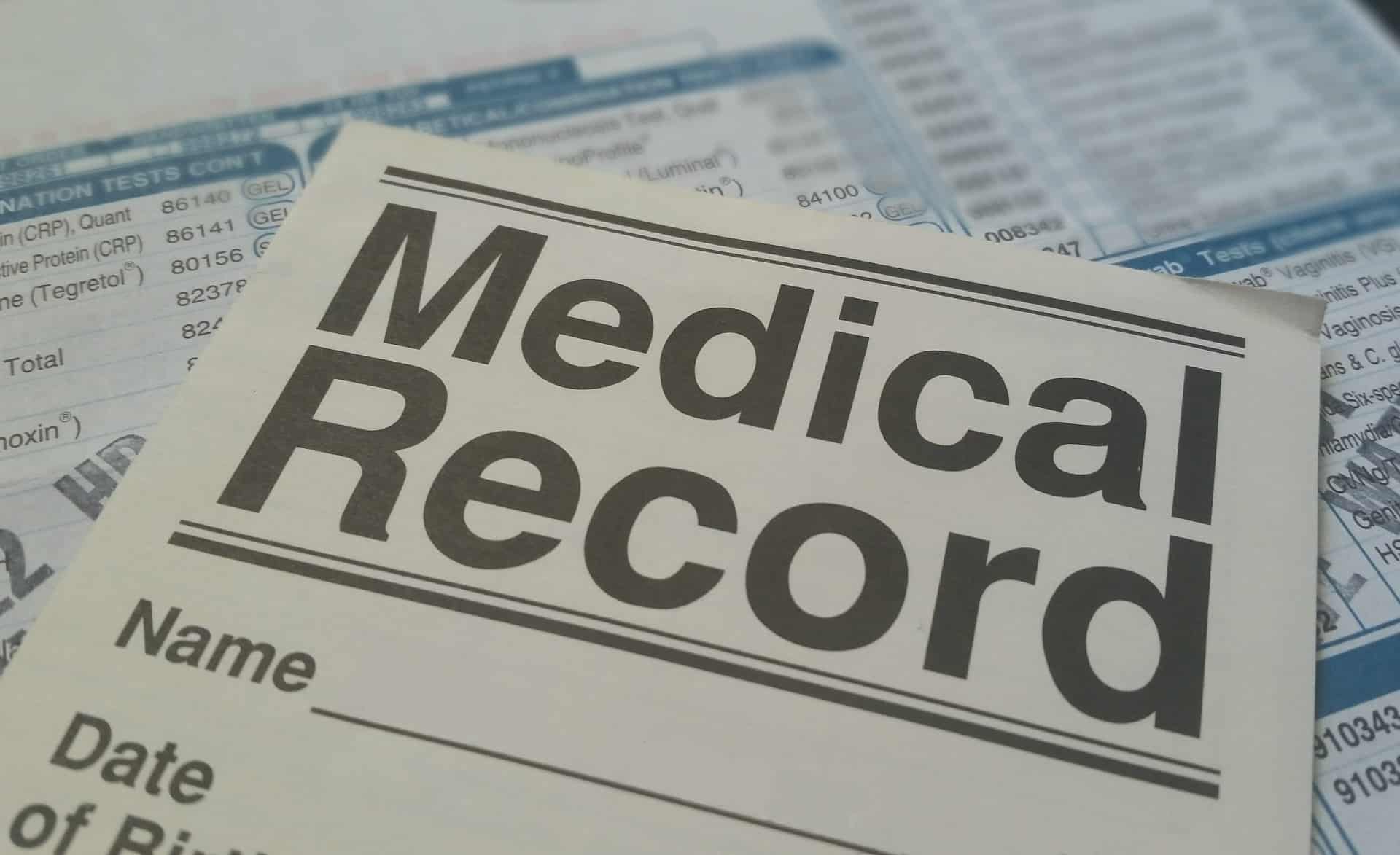
Image Source: Pixabay
Improving Medical Record Access and Transparency
The Medical Records Access Challenge
The 21st Century Cures Act and subsequent regulations have pushed healthcare toward greater data transparency, yet many patients still struggle to access their own medical records in a timely, understandable format.
Common barriers include:
- Complex request processes
- Delays in receiving records
- Information presented in technical medical terminology
- Fragmented records across multiple providers
- Confusing patient portal interfaces
Creating a Patient-Friendly Records System
Optimize your patient portal: Ensure your electronic health record (EHR) system’s patient portal is intuitive and mobile-friendly. Patients should be able to:
- View test results with plain-language explanations
- Access visit summaries and care plans
- Request prescription refills
- Schedule appointments
- Communicate securely with providers
Streamline record requests: Simplify your medical records request process with:
- Clear instructions on your website
- Multiple request methods (online, phone, in-person)
- Reasonable turnaround times
- Minimal fees (or no fees when possible)
- Follow-up communication about request status
Provide context with results: When releasing test results, include reference ranges and brief explanations of what results mean. Consider adding links to reputable sources for more detailed information.
Support interoperability: Work with EHR vendors that prioritize data sharing through modern APIs and standards like FHIR (Fast Healthcare Interoperability Resources). This makes it easier for patients to aggregate their health information from multiple sources.
Effective referral management systems can also improve care coordination by ensuring patient information flows smoothly between providers, reducing gaps in care and improving patient understanding of their treatment journey.

Image Source: Pixabay
Navigating Insurance and Financial Complexity
The Insurance Education Gap
The U.S. healthcare insurance system remains notoriously complex. Even insured patients often don’t understand their coverage, leading to surprise bills, delayed care, and financial stress.
While you can’t solve systemic insurance problems, you can help patients navigate the system more effectively:
Insurance verification: Verify coverage before procedures and communicate clearly about:
- What’s covered by their plan
- Expected out-of-pocket costs
- Prior authorization requirements
- In-network vs. out-of-network implications
Financial counseling: Consider employing or contracting with a financial counselor who can:
- Explain bills and statements
- Help patients understand their insurance benefits
- Identify financial assistance programs
- Set up payment plans when needed
Providing Financial Resources
Many patients delay or avoid necessary care due to cost concerns. Proactively share information about:
- Payment plan options your practice offers
- Medical loan programs
- Charity care programs
- State and federal assistance programs
- Patient assistance programs from pharmaceutical companies
- Healthcare cost comparison tools
Create a financial resources page on your website and provide printed materials in your office. When discussing elective procedures, give patients time to explore financing options before committing.
For emergency procedures, work with patients after the fact to find solutions that prevent financial hardship while ensuring you’re compensated fairly for your services.
Assessing and Improving Health Literacy in Your Practice
Understanding Health Literacy Levels
Health literacy encompasses more than reading ability—it includes understanding medical terminology, navigating the healthcare system, interpreting test results, following care instructions, and making informed health decisions.
According to the Centers for Disease Control and Prevention, individuals with limited health literacy are more likely to:
- Be hospitalized
- Miss preventive care opportunities
- Have difficulty managing chronic diseases
- Experience medication errors
- Have poorer health outcomes overall
Effective Communication Strategies
Use plain language universally: Don’t assume patients understand medical terms. Replace jargon with everyday language:
- Instead of “hypertension,” say “high blood pressure”
- Instead of “myocardial infarction,” say “heart attack”
- Instead of “NPO after midnight,” say “don’t eat or drink anything after midnight”
Apply the teach-back method: After explaining important information, ask patients to explain it back in their own words: “I want to make sure I explained this clearly. Can you tell me in your own words what you’ll do when you get home?”
This isn’t testing the patient—it’s checking your own communication effectiveness. If they can’t explain it back, you need to try a different approach.
Teach in chunks: Break complex information into smaller pieces. After each chunk, use teach-back to confirm understanding before moving to the next piece of information.
Use multiple formats: Different people learn differently. Supplement verbal explanations with:
- Written instructions with simple language and illustrations
- Videos or animations
- Diagrams and models
- Demonstration and return demonstration
Create a judgment-free environment: Many patients feel embarrassed to ask questions or admit they don’t understand. Make it clear that questions are welcome and expected:
- “What questions do you have?” (not “Do you have questions?”)
- “Many people find this confusing. What parts can I explain better?”
- “I want to make sure I’m being clear. What should I explain differently?”
Visual Aids and Creative Tools
Visual communication often works when words fail. Consider using:
- Anatomical models to explain conditions and procedures
- Before-and-after pictures (with appropriate consent)
- Flowcharts showing treatment pathways
- Pill cards with pictures for medication management
- Calendar-based adherence tools for complex medication schedules
Addressing Cultural and Linguistic Diversity
Health literacy is deeply connected to cultural context and language. To serve diverse populations effectively:
- Provide professional interpretation services (not family members) for non-English speakers
- Develop culturally appropriate educational materials
- Understand how cultural beliefs influence health decisions
- Train staff on cultural competency
- Partner with community organizations serving specific populations
Measuring Your Success
Implement systems to track health literacy improvement efforts:
- Survey patients about their understanding and satisfaction with communication
- Monitor medication adherence rates
- Track no-show rates and appointment compliance
- Review hospital readmission rates
- Analyze patient portal usage
- Collect teach-back method outcomes
Use this data to continuously refine your patient education approach.

The Technology Advantage: Tools to Support Patient Understanding
Patient Education Platforms
Modern patient education platforms can supplement your team’s efforts by providing:
- Condition-specific educational content in multiple languages
- Procedure preparation instructions with video demonstrations
- Post-procedure care guidelines
- Medication information with pictures and instructions
Many EHR systems now integrate patient education tools that allow you to assign relevant content directly from the patient record.
Telehealth and Communication
Telehealth visits, which expanded dramatically during the COVID-19 pandemic, offer unique opportunities for patient education:
- Screen sharing to review test results together
- Sending educational links during or after visits
- Recording consultations for patients to review later (with consent)
- More convenient access for follow-up questions
However, telehealth also presents challenges for assessing comprehension. Be particularly diligent about using teach-back methods and confirming understanding during virtual visits.
Automated Communication Tools
Leverage technology to maintain patient engagement:
- Automated appointment reminders with preparation instructions
- Text message medication reminders
- Post-visit follow-up messages with links to relevant resources
- Secure messaging through patient portals for ongoing questions
Healthcare automation tools can help ensure patients receive timely, relevant information without increasing staff workload.
Creating a Culture of Health Literacy in Your Practice
Improving patient understanding isn’t a one-time initiative—it’s an ongoing commitment that should be woven into every aspect of your practice.
Start with Leadership Buy-In
Physicians and practice leaders must champion health literacy efforts. When leadership prioritizes clear communication and patient education, it signals to the entire team that these efforts matter.
Make It Part of Performance Evaluations
Include patient communication and education effectiveness in staff performance reviews. Recognize and reward team members who excel at helping patients understand their care.
Continuously Improve
Regularly review patient feedback, outcome data, and staff observations to identify areas for improvement. Healthcare is constantly evolving—your patient education strategies should evolve too.
Collaborate Across the Care Continuum
Health literacy doesn’t stop at your office door. Work with:
- Hospitals and specialists to ensure consistent messaging
- Home health agencies to reinforce post-procedure care
- Pharmacists to support medication understanding
- Community organizations to extend health education reach
Strong referral coordination ensures patients understand why they’re being referred, what to expect from specialists, and how different providers work together in their care.
The Bottom Line: Better Understanding Leads to Better Outcomes
Investing in patient health literacy delivers measurable returns:
- Improved patient satisfaction and HCAHPS scores
- Better clinical outcomes and reduced complications
- Fewer missed appointments and better treatment adherence
- Decreased hospital readmissions
- Reduced medical errors
- Lower malpractice risk
- Enhanced practice reputation and patient loyalty
Most importantly, when patients truly understand their health and healthcare services, they become active partners in their care rather than passive recipients. This partnership is the foundation of effective, patient-centered healthcare.
The strategies outlined in this guide—from training your team and improving procedural communication to protecting data and assessing literacy levels—provide a roadmap for creating a more transparent, accessible practice that serves patients better.
What steps are you taking to improve health literacy in your practice? Share your experiences and challenges in the comments below.
Looking for ways to improve care coordination and communication across your referral network? ReferralMD’s platform helps healthcare providers streamline referrals, improve patient tracking, and enhance communication—all contributing to better patient understanding and outcomes.
Related Posts



Subscribe to Our Blog
Recent Posts